Built at Radboud University, by two scientists.
Recognify began as research into how chatbots and apps can change how people think and act. We turned what works into a free app.
The science of personal growth, free for everyone.
The methods to understand yourself, break a pattern and build a life that fits you have existed in research labs and therapy rooms for decades. We think they belong on everyone's phone, whatever your background or income.
So the app is free and every exercise comes from peer-reviewed research. We use AI to bring the depth of a psychological conversation to anyone who wants one, not to replace human contact.
For people who are doing fine and wonder if they could do better.
Burnout is common and anxiety has become background noise. That is not because people are broken. The methods to understand yourself have rarely been available outside a therapist's office.
Positive psychology has shown for decades that meaning, growth and self-knowledge can be learned. Recognify makes them a daily practice.
It is not built for people in crisis. It is built for people with full lives who want to know who they are and why they react the way they do.
Four rules we hold ourselves to.
People first.
Technology is the means. Each feature and each word in the app has to pass one question: does this help the person using it?
Your data is yours.
What you share is end-to-end encrypted and GDPR compliant. We never sell or share it. You can export or delete everything at any time.
Evidence, not trends.
Every method in the app comes from peer-reviewed research in neuroscience, behavioural science and positive psychology.
The same care for everyone.
We check our models and our content for bias and remove what we find.
How it is built.
Technology
Language models personalise the app as you use it. They tie each lesson to your situation, write reflection prompts from what you shared, and change your path as you change.
Science
The science comes from ongoing research at Radboud University into how chatbots and digital tools can reliably support psychological outcomes. We translate that academic work into exercises anyone can do.
Eleven studies behind the exercises.
Each one links to the paper. We also test the app in our own study at Radboud University.
Resilience
Reappraisal training lowers negative feelings and carries over to new situations.
doi.org/10.1037/a0035276Talking to yourself from a distance reduces rumination under stress.
doi.org/10.1037/a0035173Reframing a situation beats faking an emotion, with less strain.
doi.org/10.1037/a0022876Lasting change
App-based coaching shifted traits, still visible three months later (d ≈ 0.35).
doi.org/10.1073/pnas.2017548118People who set change goals and act on them do change.
doi.org/10.1037/pspp0000021Completing the challenges, not only intending to, predicts the change.
doi.org/10.1037/pspp0000221If-then plans close the gap between intending and doing (d = 0.65).
doi.org/10.1016/S0065-2601(06)38002-1Design rules
Repetition and self-monitoring change behaviour, so practice is small and daily.
doi.org/10.1007/s12160-013-9486-6Train the process behind a problem, not a label for it.
doi.org/10.1177/2167702618772296People believe what they say themselves, so you write the reason in your own words.
doi.org/10.1037/h0088188Positive affirmations backfire for people with low self-esteem, so there are none.
doi.org/10.1111/j.1467-9280.2009.02370.xWho we are.
Two founders and a team that combines cognitive neuroscience, behavioural science and AI development. We are supported by Radboud University's Launch incubator, Health Valley and Oost NL.
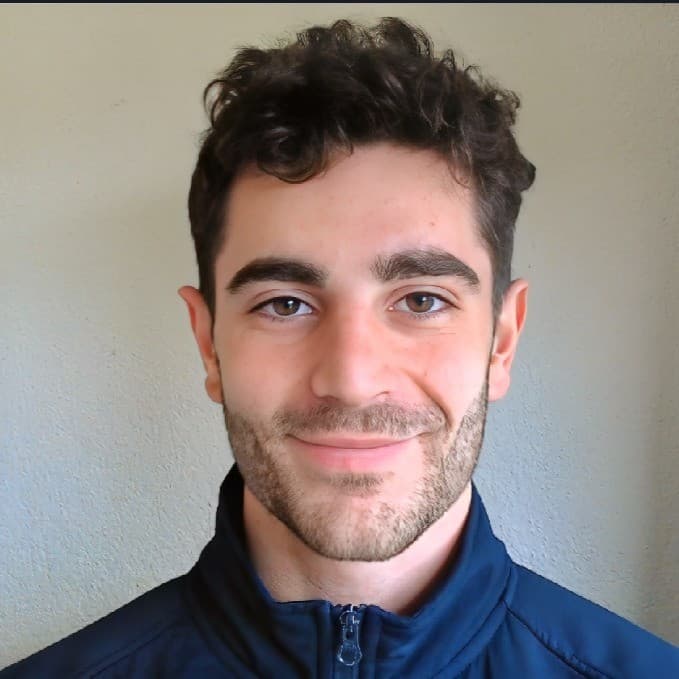 Marco Rosata
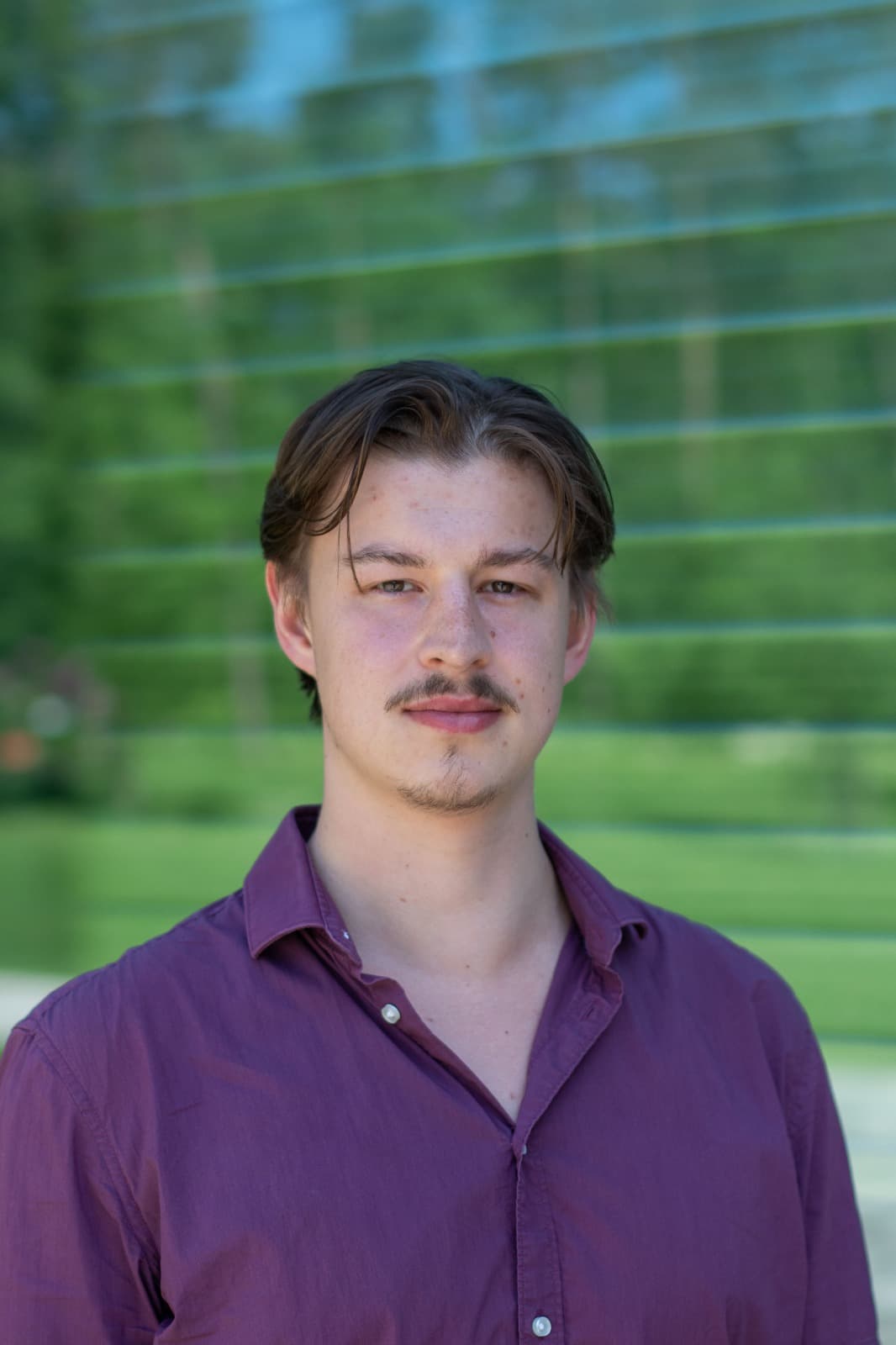 Peter-Jan van de Kamp